
前回、前々回に「本来は何も悪くないのに、ナチスのせいで外国人に対しては説明が必要ないしやりにくくなってしまった日本的事物」として「血液型占い」「卍(まんじ)」を挙げましたが、もう一つありました。高校野球などで見られる選手宣誓のポーズです。
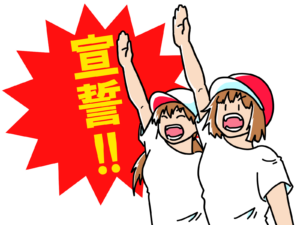
このポーズがナチス式敬礼に似ている、といわれることがあります。
欧米では、ハーケンクロイツと同様、こうしたポーズには社会的・法的な制限が課せられる例があります。
本来、こうした事物はナチスと無関係であり、いわば「濡れ衣」ですから無理にやめる必要はありませんが、現実的に誤解が生じる可能性があることは認識し、場面に応じて説明ができることが通訳ガイドには必要です。
英文をまとめて作ってみました。
●「選手宣誓」について
In Japan, athletes sometimes raise their right hand straight up when making an athlete’s oath at sports events. Although the gesture may look similar, it has no connection to the Nazi salute. This type of raised-hand gesture has existed in many cultures, including Japan, long before the 20th century. While certain countries restrict similar gestures today because of historical associations, Japan continues to use this traditional pose without such political meaning.
(日本では、スポーツの場面で選手宣誓を行う際、選手が右手をまっすぐ挙げることがあります。見た目は似ていても、これはナチス式敬礼とはまったく関係がありません。このような手を挙げるジェスチャーは、日本を含む世界各地で、20世紀よりずっと前から存在してきたものです。歴史的な経緯から、海外では同様のジェスチャーを制限している国もありますが、日本では政治的な意味とは無関係に、現在も伝統的なポーズとして用いられています。)

●「血液型占い」について
Japan has a custom called “blood type personality theory.”
It’s similar to Western astrology, which suggests certain personality traits based on your zodiac sign.
In the same way, some Japanese people casually talk about personality or compatibility based on blood types.
It’s mostly seen as a light-hearted form of entertainment, and very few people take it seriously.
It’s also not used to rank people or assign superiority or inferiority.
Most Japanese people know their own blood type from childhood, and the most common type in Japan is Type A, which is often said to be earnest and detail-oriented.
Because of this, when Japanese people ask someone from another culture about their blood type, the other person may be surprised and say they don’t know—
and then the Japanese person is the one who ends up more surprised!
(日本には「血液型性格診断」と呼ばれる習慣があります。
これは、西洋の星占いが誕生月の星座によって性格の傾向を示すのと少し似ていて、血液型によって性格や相性を語るというものです。
日本では、軽い世間話として話題にすることが多く、多くの人にとっては娯楽の一種であり、真剣に信じている人はあまりいません。
また、人に優劣をつけるような目的で使われるものでもありません。多くの日本人は、子供のころから自分の血液型を知っています。
日本人で最も多い血液型はA型で、一般に「まじめで几帳面」と言われています。
そのため、日本人が他の文化圏の人に血液型を尋ねると、相手が驚いて「知らない」と答え、すると今度は 尋ねた日本人 の方がびっくりする……ということもあるようです。)
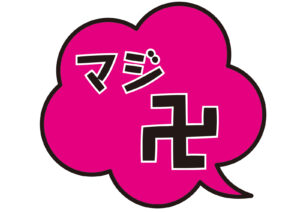
●「卍(まんじ)」について
This symbol is called the manji, an ancient Buddhist symbol of good fortune that originated in India thousands of years ago.
Although it looks similar, it is completely unrelated to the Nazi swastika.
The Nazis adopted the swastika in the 20th century as a symbol of what they claimed to be Aryan supremacy.
In Japan, the manji has been commonly used at Buddhist temples since ancient times, and its meaning is entirely positive.
(この記号は「まんじ」と呼ばれ、数千年前にインドで生まれた、古代仏教の吉祥を表すシンボルです。
見た目は似ていますが、ナチスの鉤十字とはまったく関係がありません。
ナチスは20世紀に、(彼らが主張した)アーリア人至上主義の象徴として鉤十字を採用しました。
日本では、まんじは古くから仏教寺院で広く用いられており、その意味は完全にポジティブなものです。)